News
20 Songs Every Musical Theatre Fan Should Know
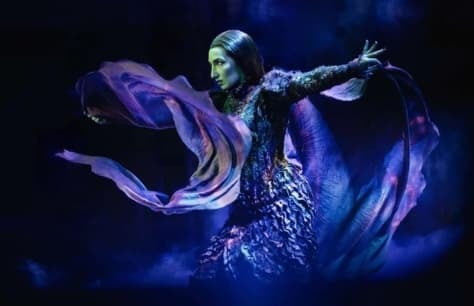
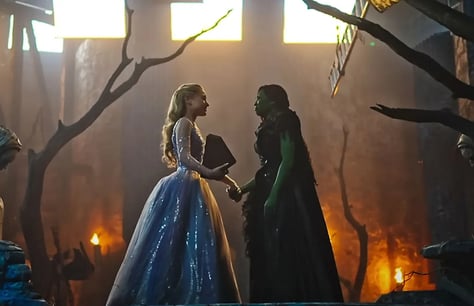
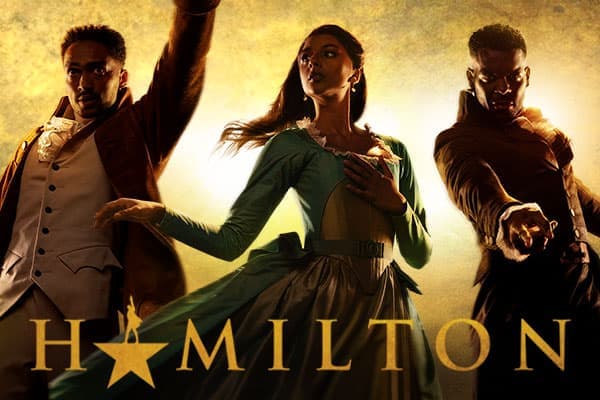
So, you call yourself a West End theatre buff? We don’t doubt you. But if you’re a burgeoning musical obsessive or you just want to test your show tune knowledge, have we got a list for you! We’ve gone through the history of musical theatre songs - that’s almost 100 years of banging tunes - to come up with a list of 20 songs every musical theatre fan should know. Some of them are the mega hits from their respective shows. Some are the hidden gems that only dedicated musical theatre fanatics will know straight away. So, how many of the 20 songs every musical theatre fan should know do you know? One Day More - Les Miserables Let’s start with an easy one. Possibly the most iconic song in musical theatre history, One Day More is the epic Act One Finale from Les Mis. Not only does the rousing number bring all the show’s characters together and make you eager to return to your seat after the interval, it also features themes and motifs from key songs and moments within the show. Packed full of passion, hope, and a tiny bit of foreshadowing, it is one of the best, if not the best, songs in musical theatre history. And seeing as Les Mis is the world’s longest-running musical, it has earned its place at the top of our 20 songs every musical theatre fan should know list. Defying Gravity - Wicked Wicked has been enchanting audiences since it opened on Broadway in 2003. Since it crash landed at the Apollo Victoria Theatre in 2005 and had a global moment thanks to its record breaking film adaptation. This tale of an outcast refusing to conform to society has struck a chord with millions of people around the world. And the pivotal song, Defying Gravity, has become an anthem for both musical theatre lovers and those standing up for what’s right. Originally performed by Idina Menzel, Defying Gravity has a massive range, which tests musical theatre performers and karaoke singers alike. And if you haven’t attempted to hit that high F, can you really call yourself a musical theatre fan? Satisfied - Hamilton Okay, hear us out. Most people would say the opening song, Alexander Hamilton, or My Shot are the stand-out songs from Lin-Manuel Miranda’s Hamilton. But we say that Satisfied is the song every musical theatre fan should know. Not only is it performed by Angelica Schuyler, a criminally underused character in the show, it also provides insight and exposition from another perspective, offering historical, societal, and personal context we’d otherwise lack. It’s also a banging song that echoes classic ‘90s R’n’B and features fun wordplay and quips. Seasons of Love - RENT We wish we could feature 525,600 songs in this list, but we can’t. These are the 20 songs every musical theatre fan should know. And if you do know your musical theatre, you’ll be aware that 525,600 minutes is how we measure a year in theatre talk. The beautiful, uplifting and hopeful anthem from Jonathan Larson’s era-defying musical encourages us not to measure time passing in clinical minutes and hours, but in moments of love, compassion, and connection. RENT is a gritty show that deals with wealth inequality and the realities of the HIV/AIDS crisis, yet the eternal message is humanity and love is always present. Summertime - Porgy and Bess Some songs live a life outside of their musical. And that’s exactly what’s happened with Summertime by George Gershwin. Though it’s now part of general pop culture, the aria was first written and performed in the 1935 opera, Porgy and Bess, which was based on the book Porgy by DuBose Hayward. However, the swooning, haunting song soon became a jazz standard and was performed by the likes of Billie Holiday, Louis Armstrong, and Ella Fitzgerald. In fact, it’s often cited as the most recorded song in history. Don’t Rain On My Parade - Funny Girl Not only did this song step out of its musical, it also popularised a saying frequently used in everyday life. Don’t Rain On My Parade was originally sung by Barbara Streisand in Funny Girl in 1964. It has since had a reprisal thanks to TV shows like Glee. The Heat Is On - Miss Saigon No, not the 1980s classic by Glenn Frey. If that’s where your brain went, you really need this 20 songs every musical theatre lover should know list! The Heat Is On is the opening number from Miss Saigon. It sets the scene and establishes the dynamics and prejudices featured throughout the story. Though sordid and misogynistic, it helps us understand the expectations put upon our leads Kim and Chris. The Phantom of the Opera - Phantom of the Opera Phantom of the Opera creates irresistible drama. Atmospheric, haunting, and gritty, it’s a unique and iconic sound that is as popular today as it was when the show first opened in 1986. Suddenly, Seymour - The Little Shop of Horrors If we told you that one of the most romantic, heart-melting ballads in musical theatre history came from a dystopian show about a people-eating monster plant, you probably wouldn’t believe us. Unless you’ve heard Suddenly, Seymour from Little Shop of Horrors. This beautiful duet depicts the moment our show’s protagonist seizes the opportunity to confess his feelings to the girl he loves, and in return, she realises she loves him too. It really is an ode to the truly good guys and the joy found in giving them a shot. Somewhere - West Side Story West Side Story is packed with bops. Between America, Tonight and Cool, the show is dominated by upbeat, “loud” songs. But Somewhere is a quiet moment of reflection and hope from our leading lady, Maria. It’s beautiful. It’s dreamy. It’s a song every musical theatre fan should be familiar with.
22 Sep, 2026 | By Carly Clements-Yu